How to Get Rid of Constipation Fast? Does Isabgol Help?
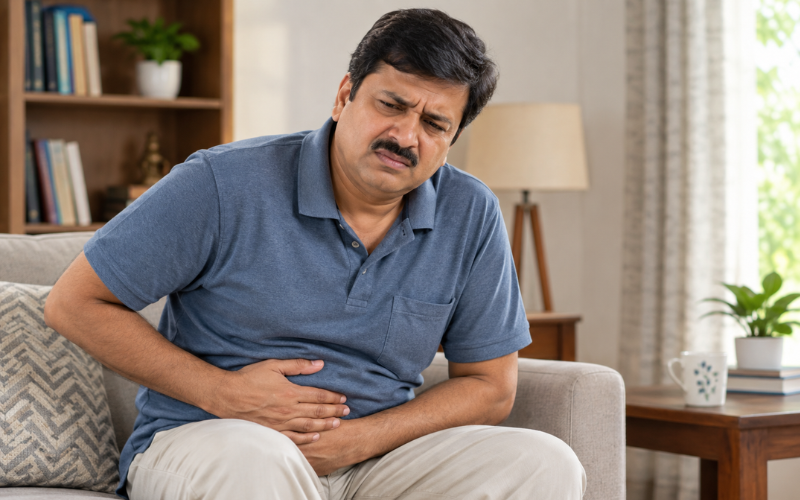
For many Indians, the morning begins with passing stool. Especially among middle-aged and older people, it is common to hear someone say, “I had so much difficulty passing stool today, and it was very unsatisfactory.”
As soon as they hear this, other family members may quickly conclude, “You must be suffering from constipation.”
But you may be surprised to know that constipation is a common problem around the world. Global studies have reported that more than 16% of people in countries such as South Korea, Japan, and the USA experience constipation, and luckily we Indian are not that list.
What Is Considered Constipation?
In simple terms, we usually consider it constipation when the stool becomes hard or dry, bowel movements become less frequent, or passing stool becomes difficult. and we feel pain. We think not drinking enough water or getting enough fibre can contribute to constipation, but they are not the only causes. Constipation is a common gastrointestinal condition that can cause discomfort in daily living. Common symptoms include feeling as though the gut has not fully emptied, straining, bloating, hard or dry feces, and trouble passing stool.
Common Reasons for Constipation
According to the UK National Health Service, constipation can be caused by a wide variety of factors, and sometimes its definition can vary depending on geography, language, and culture.
Some causes are common. Let’s look at the most common reasons for constipation:
* Not consuming enough fibre-rich foods.
* Not drinking enough fluids
* Absence of exercise
* Ignoring the need to go to the bathroom
* Modifications to the daily schedule or trip
* Some medications
* A few underlying medical issues
How to Naturally Relieve Constipation
Start with simple lifestyle changes for sporadic constipation. Incorporate whole grains, legumes, fruits, vegetables, and other items high in fiber into your diet. Stay physically active and consume enough fluids. Maintaining a regular toilet routine and refraining from consistently disregarding the need to pass stool are also crucial.
But relief from constipation isn’t always instantaneous. Instead of consistently taking a laxative or constipation medication, it is preferable to identify the underlying cause if constipation persists or does not get better.
Does Constipation Get Better With Isabgol?
Indeed. Psyllium husk, or Isabgol, is a naturally occurring source of dietary fiber. It can facilitate the passage of feces by absorbing water and increasing their volume. From many yeas Iabgol is reknow for constipation relef mainly in functional constipation it’s help lot constipation get better.
As a result, isabgol is frequently used as a fiber-based constipation remedy. But for it to function correctly, it needs enough fluid. Additionally, it should be utilized in accordance with the product’s instructions.
Isabgol shouldn’t be used as a quick fix also in Secondary Constipation depending on isabgol is not a good design. Consulting a doctor is advised if constipation is severe, chronic, or accompanied by other worrisome symptoms.
Ayurvedic Ways to Manage Constipation Naturally
Ayurveda has historically placed a high value on daily routine, nutrition, and digestion. Among the basic routines are:
* Consume a diet high in fiber and well-balanced.
* Make sure you get enough water.
* Continue to be physically active.
* Keep your mealtimes and bathroom times consistent.
* Steer clear of highly processed and greasy foods.
* The need to pass stool should not be routinely suppressed.
* Make judicious use of Ayurvedic medications.
Keep in mind that “natural” does not imply that it is appropriate for everyone. Constipation that doesn’t go away should be appropriately assessed.
Is Constipation a Sign of Colon Cancer?
Colon cancer is not always indicated by constipation alone. There are numerous potential causes for this widespread issue.
However, abrupt or chronic changes in bowel habits should not be disregarded, especially if they are accompanied by extreme fatigue, persistent abdominal pain, blood in the stool, or unexplained weight loss. For an accurate assessment in these situations, speak with a medical expert.